Published by GeoPoliticsToday on Sept 25, 2023
By Nolan Judd
September 22, 2023
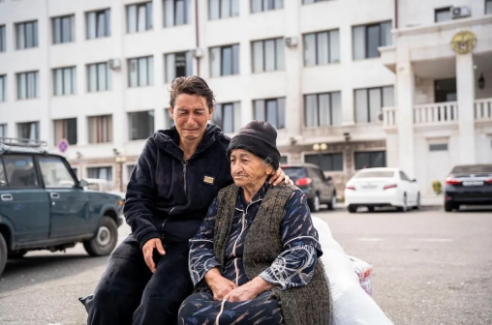
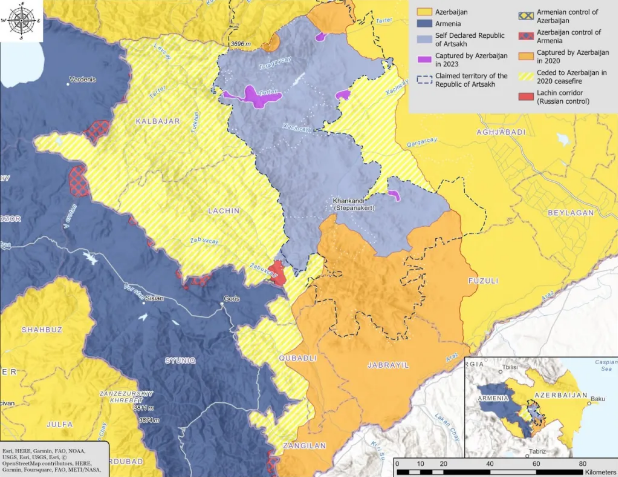
As I was sitting in the Athens Airport on September 20th waiting for my connection to Yerevan, I got an unsettling alert on my phone: Ilham Aliyev’s Azerbaijan had begun a full-scale invasion of the disputed territory of Nagorno-Karabakh (called Artsakh by the ethnic Armenians indigenous to the region). After frantically making sure that my flight would still take off, I joined the others waiting at the gate in searching for any update on the status of the region. To the Armenians, the news was beyond just heartbreaking. In little more than a day, the Armenia-backed Artsakh Defense Force agreed to a ceasefire in exchange for complete disarmament to the Azeri forces. Although celebrated by many countries in the West, the Russian peacekeepers that brokered the deal, and an Azerbaijan who now had complete control of what it considers a separatist territory, the ceasefire terms to Armenia just meant that the people of Nagorno-Karabakh were without protection for the first time since the collapse of the USSR.
To the Western eye, this long-term conflict may just seem like one of the many territorial disputes that frequent the former republics of the Soviet Union. However, this perspective is flawed. Nagorno-Karabakh is a territory that is almost entirely populated by Armenians, and it has faced rampant human right abuses by the Turkic Azeris for well more than a century. In 1920, the cultural center of the Armenians there, Shushi, was completely destroyed by Azeri Tartars during the Armenian Genocide. Over half a century later, despite being granted a level of autonomy by the USSR, the region experienced anti-Armenian pogroms that led to the region seeking independence from its aggressive sovereign, which was internationally ignored. The status of Nagorno-Karabakh offers a unique question for international law: although being a part of Azerbaijan, its citizens seek self-determination in a quest to finally prevent a repeat of the horrors that plagued the region during the 20th Century.
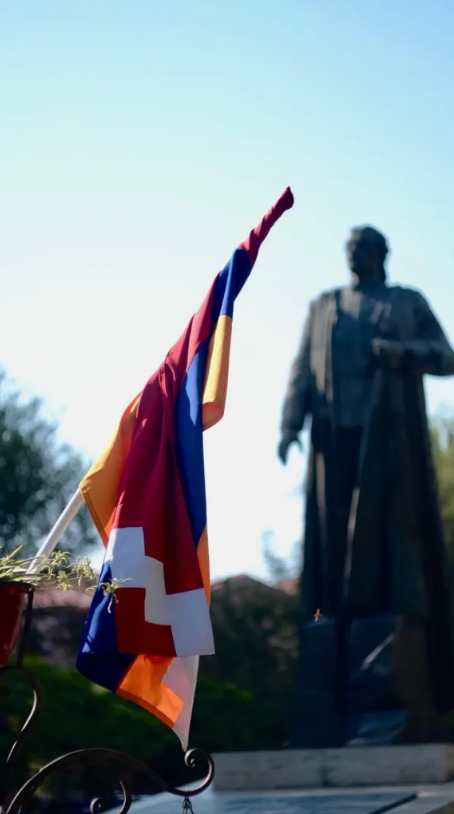
Walking the streets of Yerevan offered me a glimpse into the pain that the Armenians feel towards losing a part of their people, their homeland. A sign next to an activist leading a hunger strike read “Fight for your identity”. To the Armenians, Artsakh is as intrinsically tied to their national identity as any region in their country. In the months leading up to the invasion, Nagorno-Karabakh was subjected to a blockade that effectively starved their population for nine months. Their fears of a repeat of the massacres at the hand of nationalist Azeris are not unfounded either; the aftermath of the invasion saw reports of summary killings, threats against the Armenians, and a demand by Azerbaijan that the people be forcibly integrated into Azeri society.
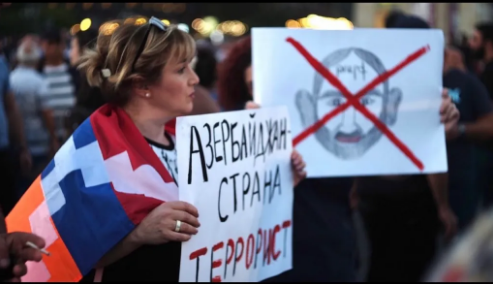
Despite blatant human rights abuses being ongoing and potentially continued, the reaction of the West has been anything but effective to preventing Azerbaijan from continuing its irredentist dream of eradicating the Armenian people from the region. Despite top State Department official Yuri Kim drawing a red line against any offensive action by Azerbaijan against the people of Nagorno-Karabakh, the West has remained indifferent in the wake of the invasion. The lack of action against the ethno-nationalist Azeri dictatorship is problematic. I have witnessed with my own eyes the thriving democracy of Armenia that the Artsakhtsis wish to be a part of, but the allure of accessible gas and petroleum from Azerbaijan to Europe in the wake of the Russian invasion of Ukraine prevents the West from standing true to the democratic values it wishes to promote. To the Armenians in Yerevan, they have been betrayed by the Russian peacekeepers tasked with protecting Nagorno-Karabakh and betrayed by the West for enabling Azeri aggression.
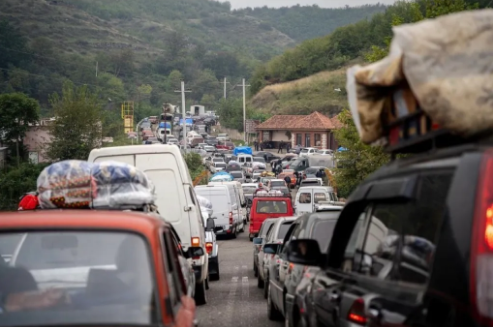
The days ahead for the region are uncertain. There are reports of war crimes by the Azeris in the villages it encircled and cut off from the rest of the world, an impending refugee crisis with the thousands of ethnic Armenians now fleeing Nagorno-Karabakh, and still complete lack of action by anyone with the power to actively change the trajectory of this tragedy. The West has a question to ask itself before it continues supporting the impending destruction of Armenian identity in Nagorno-Karabakh that has existed for thousands of years by catering to the Aliyev regime: If we won’t stand up for a thriving democracy facing another genocide, what do we stand for?