Published by GeoPoliticsToday on October 18, 2023
By Louis Power
October 18, 2023
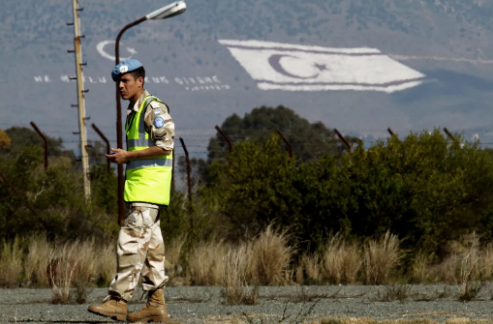
On August 18th, several UN peacekeepers were injured following a clash with Turkish Cypriot security forces following illegal construction work in the UN controlled buffer zone on the island. This incident brought the issue of Cyprus back into the media spotlight, reigniting intrigue about one of the globe’s oldest frozen conflicts.
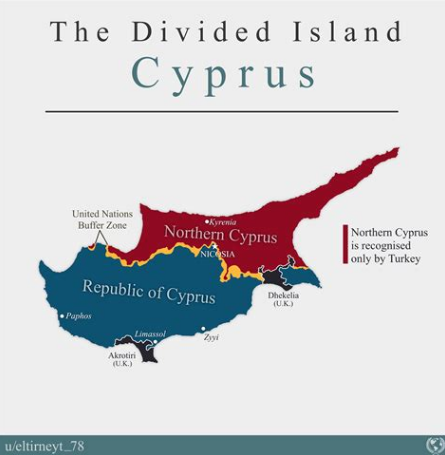
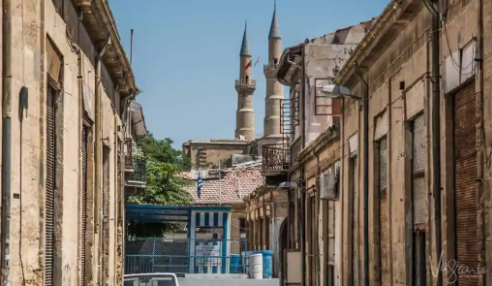
The island of Cyprus provides one of the most interesting examples of occupation, division, and isolation in Europe. Split in two following the Turkish invasion of the island in 1974, the island has since been divided into the UN recognized Republic of Cyprus, and the Turkish Republic of Northern Cyprus. These two entities separate the island, with the Republic of Cyprus controlling the South and West, while Northern Cyprus remains in control of the North and most of the East. Both republics claim Nicosia to be their capital, thereby being the world’s only divided capital city following the unification of Berlin in 1990. The two territories are separated by a 180 kilometer long buffer zone called the Green Line, that runs across the entirety of the island. The Green Line is manned by the United Nations Peacekeeping Force in Cyprus (UNFICYP) and is one of the UN’s oldest continuously running missions.
To better understand the context of the situation on the ground today, the island’s history must first be examined. An island with an ancient history, Cyprus has come under the control of numerous empires including the Assyrians, Egyptians, Persians, Greeks, Romans, Venetians, and the Ottomans, all wanting to control the island’s strategic location in the Eastern Mediterranean. Regardless of who controlled the island, Cyprus had a predominantly Greek, Eastern Orthodox culture with Turkish settlers coming during the reign of the Ottoman Empire. In 1878, control of the island was passed to the British who utilized Cyprus’s strategic location during both World Wars and the Suez Crisis to maintain their links to their Indian and Gulf colonies past the Suez.
It was during the era of British occupation that the preconditions for today’s divided island came to be. Following its annexation, the island’s demographics were 80% Greek, 20% Turkish, as such there was a strong sentiment amongst Greek communities to have their island annexed by the Greek state, a movement known as Enosis. The Greek nationalist elements of this movement formed the National Organisation of Cypriot Fighters (EOKA), a Greek Cypriot guerrilla group that fought the British for independence and the eventual incorporation of the island into the Greek state. The Turkish side however favored Taksim, which advocated for a division of the island into Greek and Turkish sections and in turn created Turkish Resistance Movement (TMT) to defend their communities.
Following a decade of sectarian violence, a coup d’état was launched by the Greek military junta overthrowing the democratically elected Cypriot government, installing Nikos Sampson, a former EOKA member and rightwing politician who was pro-Enosis. As a result of the coup, Turkish forces invaded the island, controlling the territory which would become the territory of the Northern Cypriot state, before a UN mediated ceasefire led to the eventual de facto split of the island.
The resulting consequences of Cyprus’s turbulent post-independence history has led to a permanent division of the island based on ethnic lines, cemented by population transfers, with 180,000 Greeks fleeing to the islands south and 50,000 Turks to the north. Because of the population transfers and the destruction of cultural sites, many have claimed that the actions committed during this period following the war to be evident of ethnic cleansing.
As of 2023 the island’s territory is divided, with 59% of the island Greek Cypriot administered, while 36% of the island remains in Turkish Cypriot control. The remaining 4% is covered by a UN buffer zone. This leaves the island in a difficult predicament as it is essentially a frozen conflict, located in an area of great strategic importance.
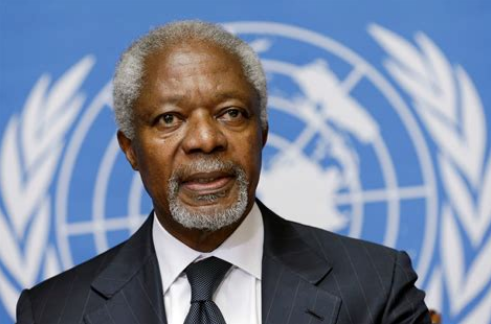
There have been numerous UN attempts to peacefully resolve the issue, for example the Annan Plan named after UN Secretary General Kofi Annan, which envisioned a restructuring of the island into a nation made up of two constituent states into the United Republic of Cyprus. Following constant revision of the Annan Plan, a referendum was called with the results concluding with outright rejection from the Greek side and a majority support in Turkish Cyprus. The main reason for the rejection of the referendum was the right for the Turkish state to host troops and have the right to intervene militarily on the island, a non-negotiable position for many of the Greek Cypriots in the aftermath of the Turkish invasion of the island in 1974.
The conflict has all but died down on the island, but tensions still remain. Signs of its tumultuous past are littered across the island through murals, monuments and plaques commemorating those that died and those who were displaced in the aftermath of the 1974 conflict. The likelihood of a resolution to this issue seems improbable due in part to the continued Turkish military presence in the north of the island and the unwillingness of the two communities to reintegrate with one another, as such, no UN mediated talks have succeed since the Annan Plan.
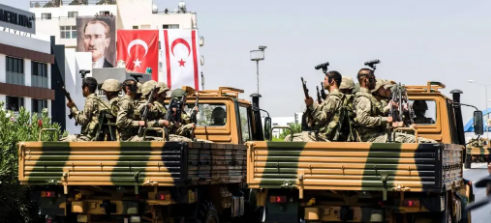
Taking a deeper look into Cypriot history and the tense status quo on the island is essential, as now more than ever are old wounds being opened up. Countless other examples of religious and cultural differences preventing people from coexisting are becoming more relevant around the globe as other frozen conflicts thaw and become violent, the question is will Cyprus be the next? Or will diplomacy hold out and a peaceful solution to this conflict come to pass?